



Choosing the right types of mulch for your garden is one of the simplest ways to protect your plants, cut down on watering and keep weeds under control. But with so many options available — pine bark, sugar cane, cypress, hardwood chip and more — it can be hard to know where to start.
At Martins Building & Landscape Supplies, we've been supplying quality garden mulch across Sydney since 1970. In this guide, we'll walk you through the most popular mulch types, what each one does best, how much mulch you need, and how to get it delivered to your Sydney property.
Why Is Mulch Important for Your Garden?
Before we dive into the types, it helps to understand what mulch actually does. Applied to a depth of 75–100mm across your garden beds, mulch delivers four key benefits:
- Moisture retention — reduces evaporation so you water less often
- Weed suppression — blocks sunlight that weed seeds need to germinate
- Temperature regulation — insulates roots from Sydney's hot summers and cool winters
- Soil improvement — organic mulches decompose and add nutrients to the soil over time
Types of Garden Mulch Available in Sydney
Here is a breakdown of every mulch type Martins stocks, along with the best applications for each one.
| Mulch Type | Best For | Decomposition Rate | Key Benefit |
|---|---|---|---|
| Pine Bark (15mm) | General garden beds, borders | Slow | Clean look, holds shape on slopes |
| Hardwood Chip | Pathways, commercial, high traffic | Very slow | Long-lasting, robust coverage |
| Cypress Pine | Garden beds near structures | Slow | Natural pest deterrent properties |
| Eucalyptus Mulch | Native gardens | Moderate | Australian native, pleasant scent |
| Sugar Cane (bale) | Veggie gardens, new plantings | Fast | Breaks down to enrich soil |
| Leaf Mulch | Established trees, garden conditioning | Moderate | High organic content |
| Red Pine Chip | Feature beds, commercial landscapes | Slow | Bold decorative colour |
| Black Wood Chip | Modern gardens, contrast planting | Slow | Dark decorative finish |
| Softwood Chip | Budget coverage, large areas | Moderate | Cost-effective volume |
| Soft Landing Bark | Playgrounds, kids areas | Slow | Safety-rated impact absorption |
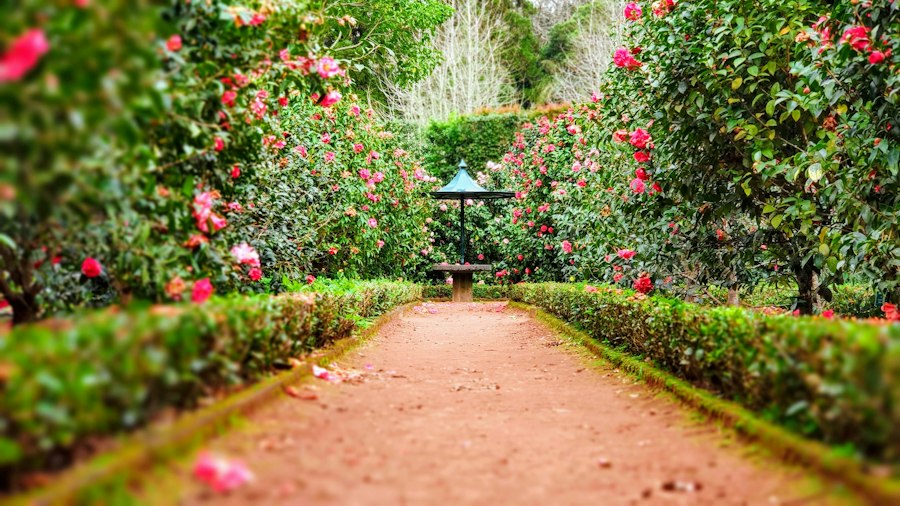
Different mulch types suit different garden conditions — from decorative red chip to organic sugar cane.
Does Mulch Stop Weeds?
Yes — when applied correctly, mulch does stop weeds from establishing. The key is depth. A layer of less than 50mm will still let weed seeds germinate. We recommend a minimum depth of 75mm, and up to 100mm in beds prone to heavy weed pressure. Applying mulch over a layer of weed mat will improve suppression further.
Does Mulch Attract Termites?
This is one of the most common questions we get. Most wood-based mulches are not a significant termite risk when used correctly — termites are already in the soil beneath your garden. The key precaution is to keep all mulch at least 150mm away from any timber structures, wall cladding or subfloor vents. If you're applying mulch close to the home, Cypress Pine Mulch is the preferred choice — the natural oils in cypress act as a deterrent.
How Much Mulch Do I Need?
Use this formula: Area (m²) × depth (m) = cubic metres needed. At 75mm depth, a 20m² garden bed needs approximately 1.5 cubic metres of mulch. Our team can help confirm quantities before you order — just give us a call on (02) 9651 1055.
Mulch is available in 50L bags for small residential jobs or in bulk quantities (1-tonne bulk bags or loose tipped) for larger landscaping projects across Sydney.
How Thick Should Mulch Be?
Apply mulch to a minimum depth of 75mm for effective weed control and moisture retention. For areas prone to drying out or heavy weed pressure, apply up to 100mm. Avoid piling mulch against plant stems or tree trunks — leave a 50–75mm gap around the base to prevent collar rot.
Is Sugar Cane Mulch Good for the Garden?
Sugar cane mulch is an excellent choice for vegetable gardens and new plantings. It breaks down faster than woody mulches, which means it adds organic matter and nutrients to the soil more quickly. It's particularly popular in Sydney's cooler months when the garden benefits from extra organic input. The trade-off is that you'll need to top up more frequently than with pine bark or hardwood chip.
Is Pine Bark Mulch Good?
Pine bark mulch is the most popular all-purpose garden mulch in Sydney — and for good reason. It holds its shape well on slopes, decomposes slowly (so it lasts longer between top-ups), and gives garden beds a clean, natural appearance. Our 15mm grade is ideal for residential beds; the coarser grades suit commercial and high-traffic areas.
Explore Our Related Products
For further reading on mulch types and application rates, visit Better Health Victoria or the Horticulture Innovation Australia resource library.
Frequently Asked Questions: Garden Mulch
What is mulching and why do gardeners do it?
Mulching is the practice of spreading a layer of organic or inorganic material over the soil surface around plants. It retains moisture, regulates soil temperature, suppresses weeds and — for organic mulches — improves soil structure as it decomposes.
How many litres of mulch are in a cubic metre?
One cubic metre equals 1,000 litres. A 50L bag of mulch covers approximately 0.5m² at a 100mm depth or roughly 0.67m² at 75mm. For large areas, buying in bulk is significantly more cost-effective.
Can mulch attract termites to my home?
The risk is low when mulch is kept away from your home's timber structure. Keep all mulch at least 150mm away from walls, subfloor vents and any timber framing. Cypress pine mulch is the safest choice near buildings due to its natural termite-deterring oils.
Will mulch stop weeds from growing?
Yes, when applied at the correct depth (75–100mm). Thinner layers allow sunlight through, which is what weed seeds need to germinate. Pairing mulch with a quality weed mat gives you the best long-term suppression.
What is the best mulch for Australian native gardens?
Eucalyptus mulch is the most suitable option for native garden plantings — it's derived from local species and suits the low-phosphorus soil conditions that most Australian natives prefer. Leaf mulch is also a good choice for conditioning soil around established natives.
How often should I top up my mulch?
This depends on the mulch type. Sugar cane breaks down in one season. Pine bark and hardwood chip can last 2–3 years before needing a significant top-up. Check the depth annually and add a fresh layer when it drops below 50mm.
Do you deliver mulch in bulk across Sydney?
Yes. Martins BLS delivers mulch in 50L bags, 1-tonne bulk bags or loose tipped loads across the Sydney metropolitan area, Western Sydney, the Hills District, Parramatta, Penrith and surrounding suburbs. Call (02) 9651 1055 or order online to arrange delivery.
Are grass clippings good mulch?
Grass clippings can be used as a light mulch but should be applied in thin layers (no more than 30mm) and allowed to dry slightly before spreading. Thick layers of fresh clippings can mat together, restricting water and air movement to the soil.
Ready to Mulch Your Garden?
We stock Sydney's widest range of mulches — in bags or bulk — with reliable delivery across the metro area.


