



A compacted road base driveway is one of the most practical and cost-effective surfaces for residential and commercial properties. But understanding what road base actually is — and how to use it correctly — is what separates a durable result from a surface that ruts, shifts or washes out after the first downpour.
At Martins Building & Landscape Supplies, we stock both virgin and recycled road base for delivery across Sydney. This guide explains what road base is, how it differs from other aggregates, and how to choose and apply it correctly for your project.
What Is Road Base?
Road base (also called roadbase or road base aggregate) is a crushed rock and fines blend, typically graded at 20mm. The mix of different sized particles — from coarse crushed rock down to fine dust — is what gives road base its compaction properties. When properly compacted, the particles interlock and bind together to create a stable, load-bearing surface.
Virgin Road Base vs Recycled Road Base
| Type | Source Material | Best For | Environmental Benefit |
|---|---|---|---|
| Virgin Road Base (20mm) | Quarried hard rock | Driveways, paths, hard-stand areas | — |
| Recycled Road Base | Crushed concrete & masonry | Base layers, sub-base, residential driveways | Diverts material from landfill |
| Recycled Concrete Aggregate | Reclaimed concrete | Fill, drainage, eco sub-base | High recycled content |
Both virgin and recycled road base achieve similar compaction results when correctly applied. Recycled road base is the more sustainable and cost-effective option for applications where the top finish doesn't need to be as clean as a fresh quarry product.
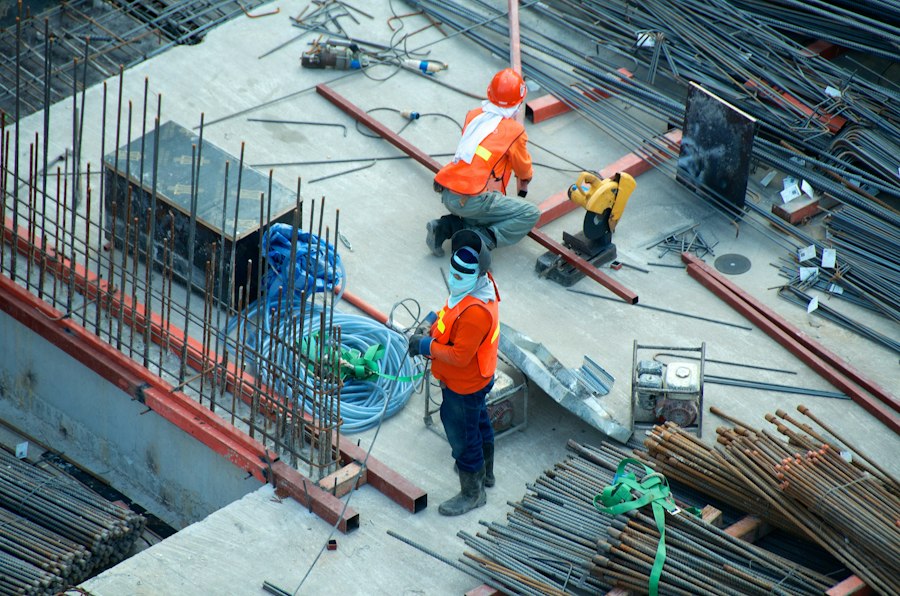
Correctly compacted road base creates a solid, stable sub-base for driveways, pavers and hardstand areas.
How Does a Compacted Road Base Driveway Work?
A compacted road base driveway works because of how the material is laid and compacted in layers. The general process is:
- Excavate to the required depth (typically 100–150mm for residential driveways).
- Grade and compact the sub-grade (existing soil base).
- Spread road base in layers no deeper than 100mm at a time.
- Compact each layer with a plate compactor or roller, adding water to assist binding if needed.
- Check grade and repeat for additional layers if required.
- Apply top surface — either leave as compacted road base or top with asphalt, pavers or exposed aggregate concrete.
How much road base do I need? For a 150mm depth over a 30m² driveway area, you'll need approximately 4.5 cubic metres of road base. Multiply area (m²) × depth (m) to calculate your volume, then add 10–15% for compaction loss. Call our team on (02) 9651 1055 and we'll help you confirm quantities.
Road Base vs Blue Metal Aggregate: What's the Difference?
Blue metal is a clean, single-size crushed rock aggregate. It does not compact — the uniform particle size means there are no fine particles to bind and lock together. Blue metal is used for drainage layers, concrete aggregate and decorative applications, not as a compactable driveway base. Road base is specifically graded with a mix of sizes to achieve compaction, which is why it's the right product for driveway sub-bases.
What About Recycled Crusher Sand?
Recycled crusher sand is a fine crushed material suitable for bedding layers, joint filling and some sub-base applications. It's a good eco-friendly option for areas requiring a finer grade finish beneath pavers or as a levelling course under concrete slabs.
Related Products at Martins BLS
For road base compaction standards in NSW, refer to Transport for NSW technical specifications or the Standards Australia guide to road construction materials.
Frequently Asked Questions: Road Base in Sydney
What is road base used for?
Road base is used as a compactable sub-base material for driveways, paths, hardstand areas, shed pads and beneath pavers or concrete slabs. When compacted in layers, it creates a stable, load-bearing foundation that supports the surface material above.
How thick should road base be for a driveway?
For a residential driveway, a compacted depth of 100–150mm is standard. For heavier traffic — trucks, machinery or commercial vehicles — increase depth to 200mm or more and compact in 100mm layers for best results.
Does road base need to be compacted?
Yes. Uncompacted road base will shift, rut and wash away. Compaction is what causes the graded particle mix to interlock and bind, creating a solid sub-base. Use a plate compactor or roller, apply in layers of no more than 100mm, and add moisture if the material is dry.
What is the difference between road base and gravel?
Gravel (or blue metal) is a clean, uniformly sized aggregate with no fines. It does not compact. Road base is a graded blend of coarse rock and fine dust that compacts into a solid base. For driveways and sub-bases, you need road base — not gravel.
Is recycled road base as good as virgin road base?
For most residential and light commercial applications, recycled road base performs comparably to virgin road base when properly compacted. It's also a more sustainable and cost-effective option. For projects with specific engineer-specified requirements, check whether virgin product is required.
Can I buy road base in bags from Martins?
Yes. We stock road base in 20kg bags for small residential jobs as well as in bulk (1-tonne bulk bags or loose tipped truck loads) for larger projects. Bulk quantities are significantly more cost-effective for driveway-scale jobs.
Do you deliver road base to Sydney suburbs?
Yes. Martins BLS delivers road base across the Sydney metropolitan area including Western Sydney, Parramatta, the Hills District, Penrith, Blacktown and surrounding suburbs. Contact us on (02) 9651 1055 to arrange delivery or get a quote for larger volumes.
Ready to Build a Stable Driveway?
Virgin and recycled road base available in bags or bulk — delivered to your Sydney site Monday to Saturday.


