



TL;DR Bulk mulch is mulch bought by volume, usually by the cubic metre, instead of in bags. One cubic metre covers about 20 square metres at 50mm depth or 13 square metres at 75mm. Order slightly more than you calculate, make sure a truck can reach the drop point, and spread it away from plant stems. This guide covers quantities, coverage, delivery access and spreading. Martins Building & Landscape Supplies supplies bulk mulch across Sydney from our Dural yard. Call (02) 9651 1055.
The two questions we get asked most about bulk mulch are the same two questions that decide whether a garden job runs smoothly: how many cubic metres do I need, and can the truck get in. Everything else is easier once those are answered.
What bulk mulch actually means
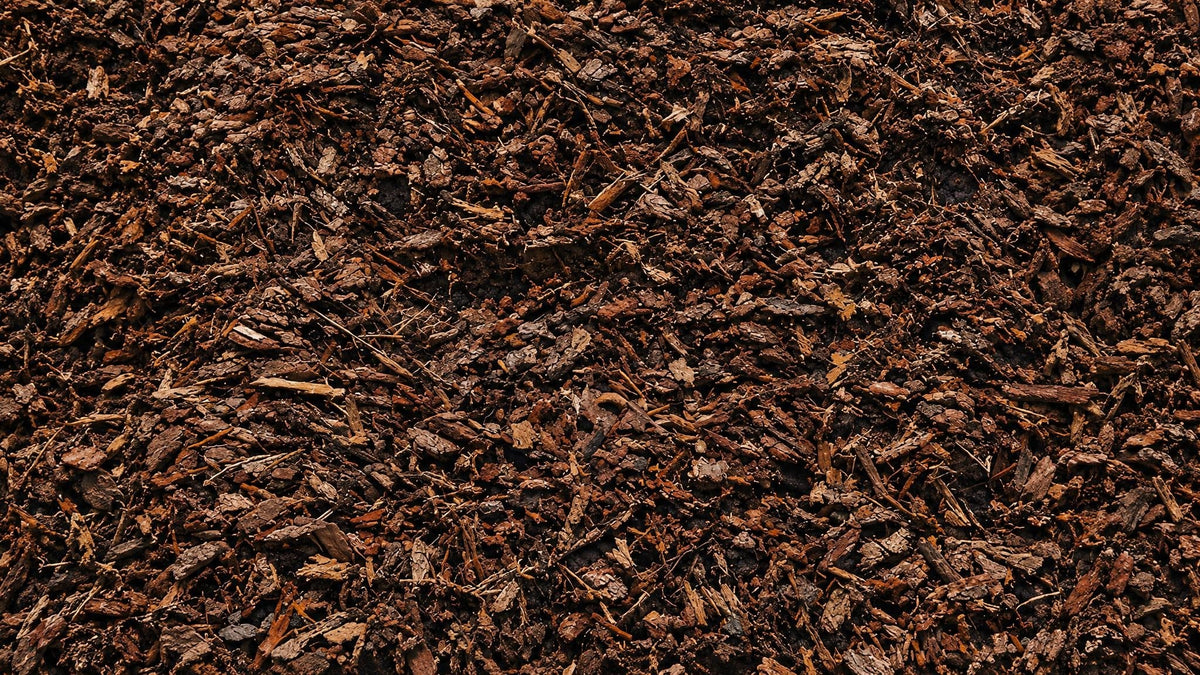
Bulk mulch is sold loose by volume, not by the bag. You order in cubic metres, it arrives on a truck or in a bulk bag, and it gets tipped where you want it. Bagged mulch is the same idea in 50 or 60 litre bags, which is convenient for a courtyard and expensive for a full garden bed.
The crossover point is usually around two or three cubic metres. Below that, bags are easier to handle. Above it, bulk is cheaper per square metre and far less work.
How much mulch do I need
The formula is simple: area in square metres multiplied by depth in metres equals cubic metres. Two things trip people up. Depth is the finished settled depth, not the loose depth out of the truck. And garden beds are rarely perfect rectangles, so break an irregular bed into smaller shapes and add them together.
| Depth | Coverage per cubic metre | Suits |
|---|---|---|
| 50mm | 20 m² | Top-ups, fine mulch, low weed pressure |
| 75mm | 13 m² | The usual target for garden beds |
| 100mm | 10 m² | New beds, heavy weed pressure, coarse bark |
A 40 square metre bed at 75mm works out to 3 cubic metres. At 100mm it is 4 cubic metres. That difference is the whole reason to settle on a depth before you order.
Order a little over. Mulch settles, and spreading always loses some to paths, edges and wheelbarrows. Running out mid-job means a second delivery fee for half a load.
Choosing a mulch for the job
If you already know what look you want, skip to quantities. If you are deciding between materials, our guide to types of mulch for Sydney gardens covers the differences in detail. The short version:
| Mulch | Behaviour | Best for |
|---|---|---|
| Pine bark | Slow to break down, acidic as it ages | Native beds, long-lived garden beds |
| Hardwood chip | Durable, good structure | General beds, high-traffic gardens |
| Cypress | Tidy, termite-resistant reputation | Garden beds close to the house |
| Eucalyptus | Coarse, robust, slower to compost | Native planting, bushland gardens |
| Leaf and compost mulch | Breaks down quickly, feeds soil | Vegetable beds, annual plantings |
Bulk versus bagged mulch
| Bulk mulch | Bagged mulch | |
|---|---|---|
| Volume | From about 1 cubic metre up | 50-60 litre bags |
| Cost per square metre | Lower at volume | Higher, but no minimum |
| Handling | Needs a barrow and a spot to tip | Carry it, bag by bag |
| Access required | Truck or bulk bag delivery | None |
| Best for | Whole gardens, new beds, landscaping jobs | Topping up a bed, courtyards, small jobs |
Mulch delivery in Sydney: what to check first
Delivery is where most problems start, and almost all of them can be avoided with one phone call.
- Truck access: how wide is the driveway, and is there anything overhead? Low branches, carports and power lines all matter
- Ground conditions: a loaded truck on soft lawn leaves ruts. Look at the forecast too
- Drop point: where do you actually want the pile? Closest legal spot to the beds, not the tidy spot
- Bulk bags: if there is no truck access, a bulk bag can be lifted over a fence
- Neighbours and council: if the pile lands on a footpath or verge, you need to clear it
Spreading and aftercare
Spread to a settled depth of about 75mm for a standard bed. Keep mulch clear of plant stems and trunks, leaving a gap of at least 40mm so stems stay dry and fungal problems stay away. Water it in after spreading to settle it.
Mulch is one of the cheapest water-saving moves in a garden, because it stops evaporation from the soil surface before your irrigation even starts. It will settle and break down over time, so expect to top up every year or so depending on the material.
Ordering checklist
- Measure the beds in square metres, broken into shapes
- Choose a settled depth, usually 75mm
- Calculate cubic metres, then add 10 per cent
- Confirm truck access and the drop point
- Pick the mulch material to suit the planting
- Book delivery for a day you can spread it, not a day it will sit in the rain
Frequently asked questions
How many square metres does a cubic metre of mulch cover?
About 20 square metres at 50mm, 13 square metres at 75mm and 10 square metres at 100mm.
How much bulk mulch do I need for a garden bed?
Multiply the bed area in square metres by the depth in metres. A 40 square metre bed at 75mm needs 3 cubic metres.
Is bulk mulch cheaper than bags?
Per square metre, yes, once you are past about two or three cubic metres. Below that, bags usually win on convenience.
How deep should mulch be spread?
Around 75mm is the usual target for garden beds. Go to 100mm for new beds or heavy weed pressure, and stay shallower for fine mulches.
Can mulch touch plant stems?
No. Leave a gap of at least 40mm around stems and trunks to avoid collar rot and fungal problems.
Does bulk mulch need to be watered in?
Yes. Watering settles the mulch and starts the moisture retention working immediately.
What if a truck cannot reach my garden?
Bulk bags are the usual answer. They can be placed by crane or hiab close to the beds without truck access to the property.
Do you deliver bulk mulch across Sydney?
Yes. Martins Building & Landscape Supplies delivers bulk mulch and bulk bags across the Sydney metropolitan area. Call (02) 9651 1055.
Order bulk mulch from Dural
Tell us the bed area and depth, and we will convert it to cubic metres and confirm delivery access in the same call.


